Notes on learning by reading
What we find building a reader, and what the books themselves reveal about learning a language.

Latest
The Verb Ser: To Be in Portuguese
Ser is one of the two Portuguese verbs for “to be”. Learn its present-tense forms and the eleven situations you use it in, with audio for every example.
 Samuel Virgo1 min read
Learn Portuguese by using it.
New reading guides, useful Portuguese resources, and notes on learning Brazilian Portuguese — delivered occasionally.
Everything else

The Verb Estar: To Be in Portuguese
Estar is the other Portuguese verb for “to be”. Learn its present-tense forms and when to use it — place, feelings, weather and more — with audio.
Samuel Virgo2 min read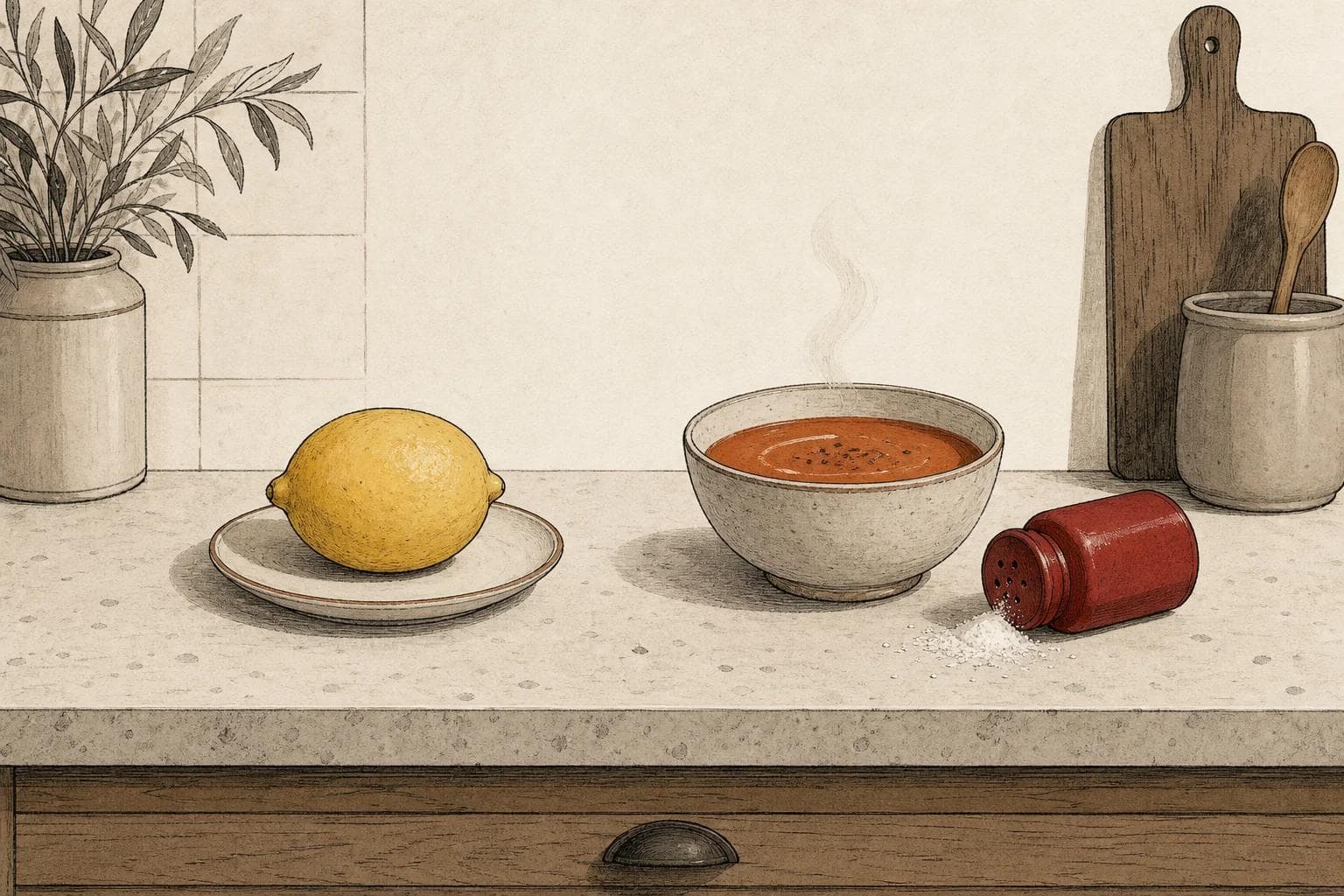
Ser vs Estar: What’s the Difference?
Ser and estar both mean “to be”, and with an adjective the choice changes the meaning. A sopa é salgada or está salgada? Here’s how to tell.
Samuel Virgo1 min read
Estar + Gerund: What Are You Doing Right Now?
Estou falando, está comendo: how Portuguese says what’s happening right now with estar and the gerúndio, and how to form -ando, -endo and -indo.
Samuel Virgo1 min read
Regular -ar Verbs in the Present Tense
Falo, fala, falamos: how to conjugate regular -ar verbs in the Portuguese present tense, with audio for every example and exercises to practise.
Samuel Virgo1 min read
Regular -er Verbs in the Present Tense
Como, come, comemos: how to conjugate regular -er verbs in the Portuguese present tense, the spelling changes to watch for, and exercises.
Samuel Virgo1 min read
Regular -ir Verbs in the Present Tense
Abro, abre, abrimos: how to conjugate regular -ir verbs in the Portuguese present tense, the common verbs that change in the eu form, and exercises.
Samuel Virgo1 min read
Irregular -er Verbs in the Present Tense
Faço, digo, sei, posso: the present tense of the ten most common irregular -er verbs in Portuguese, with audio and exercises.
Samuel Virgo1 min read
Irregular -ir, -air and -uir Verbs in the Present Tense
Peço, durmo, vou, venho, saio, constrói: the present tense of common irregular -ir, -air and -uir verbs in Portuguese, with audio and exercises.
Samuel Virgo1 min read
The Verb Ter: To Have in Portuguese
Tenho, tem, temos, têm: how to conjugate ter and when to use it — possessions, family, age, feelings — with audio for every example.
Samuel Virgo1 min read
Ser, Ir, Estar and Ter in the Past
Fui, estive, tive: the pretérito perfeito of ser, ir, estar and ter, why ser and ir look the same, and when to use each, with audio and exercises.
Samuel Virgo1 min read
Regular -ar, -er and -ir Verbs in the Past
Falei, comi, abri: how to form the pretérito perfeito of regular -ar, -er and -ir verbs, the spelling changes to watch, with audio and exercises.
Samuel Virgo1 min read
Irregular Verbs in the Past Tense
Fiz, disse, trouxe, vim, pude, saí: the pretérito perfeito of the most common irregular Portuguese verbs and the -air verbs, with audio and exercises.
Samuel Virgo1 min read